

💳 The Danger of “Buy Now, Pay Later” (BNPL): How This Modern Credit Trap Is Creating Invisible Debt in 2026!!
Buy Now, Pay Later (BNPL) is growing fast worldwide — but so is invisible debt. Learn how BNPL works, the hidden risks behind “interest-free” payments, and how to protect your financial future in 2026.
2/26/20262 min read
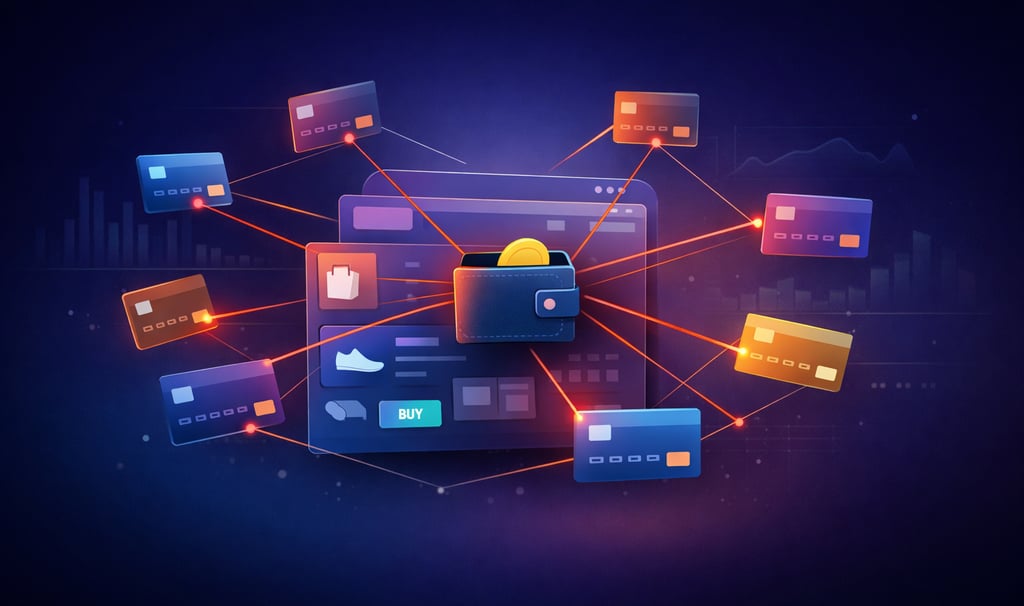
In recent years, a new form of credit has rapidly expanded around the world: Buy Now, Pay Later (BNPL).
No credit card required.
Instant approval.
Minimal bureaucracy.
It seems harmless.
But what many people don’t realize is that this model is quietly creating a new generation of invisible debt holders.
In this article, you’ll learn:
How BNPL really works
Why it looks cheap (but often isn’t)
The psychological impact of easy installments
How to use it without falling into traps
Smart strategies to protect your financial future
📌 What Is Buy Now, Pay Later (BNPL)?
BNPL allows you to:
Purchase products online or in-store
Split payments into installments
Often without using a traditional credit card
Receive almost instant approval
Fintech companies and major retailers now offer BNPL as an alternative to traditional credit cards.
The problem?
It creates the illusion that you’re not taking on “real debt.”
But you are.
📊 Why Has BNPL Grown So Fast?
There are three main reasons:
1️⃣ Easier Access to Credit
People with low credit limits — or no credit cards — can still finance purchases.
2️⃣ Reduced “Pain of Payment”
Small installments feel harmless.
3️⃣ Aggressive Marketing
Phrases like “interest-free” and “no hidden fees” reduce perceived risk.
It’s traditional debt — wrapped in modern packaging.
🧠 The Psychological Impact of Easy Installments
Behavioral finance research shows that the smaller the immediate financial impact feels, the higher the tendency toward impulsive spending.
When you pay upfront, you feel the full cost.
When you split payments:
The impact feels diluted.
The total price loses emotional weight.
The purchase seems more affordable than it really is.
This often leads to spending beyond your real financial capacity.
💥 The Real Risk: Fragmented Debt
The biggest danger of BNPL isn’t one large debt.
It’s multiple small ones.
$40 here.
$75 there.
$120 on another platform.
Individually, they seem manageable.
Combined, they can quietly consume 30% or even 40% of your future income.
Worse, many people don’t track these installments in their monthly budgets.
🚨 When “Interest-Free” Turns Expensive
While many BNPL offers advertise zero interest, late payments can result in:
Late fees
High penalty interest
Credit score damage
Collection actions
In many countries, missed BNPL payments are reported to credit bureaus, which can directly affect your financial reputation.
It’s not as “lightweight” as it appears.
📉 How to Know If You’re Overusing BNPL
Ask yourself:
✔ Do I know exactly how much I currently owe in installments?
✔ Do my total monthly payments exceed 25% of my income?
✔ Have I financed essentials because I ran out of cash before the end of the month?
If you answered “yes” to two or more, it may be time to reassess.
🛡 How to Use BNPL Responsibly
If you choose to use it, follow these rules:
1️⃣ The Closed-Budget Rule
Only finance purchases already included in your monthly budget.
2️⃣ Set a Maximum Limit
Never commit more than 20% of your future income to installment payments.
3️⃣ Avoid Financing Recurring Consumption
Clothing, food delivery, entertainment — financing these creates a debt cycle.
4️⃣ Build an Emergency Fund First
Without savings, BNPL becomes a financial crutch.
📈 What’s Happening in 2026?
The rise of BNPL aligns with increasing household debt levels globally.
Recent financial reports show that while access to credit has expanded, financial literacy has not grown at the same pace.
The issue isn’t just income.
It’s credit management.
BNPL is simply the modern version of an old risk:
Spending tomorrow’s money today.
📌 Final Thoughts
Buy Now, Pay Later is not inherently evil.
But it is not a solution either.
Used with planning, it can be a tool.
Used impulsively, it becomes a trap.
The real question isn’t:
“Can I split this into payments?”
It’s:
“Do I truly need to buy this right now?”
Financial awareness will always outperform financial convenience.