

How to Organize Your Personal Finances and Build a Sustainable Financial Routine!
Learn how to build a strong and organized financial routine with practical tips on budgeting, saving, and controlling expenses. Discover strategies to create sustainable money habits, improve financial discipline, and achieve long-term stability
12/12/20253 min read
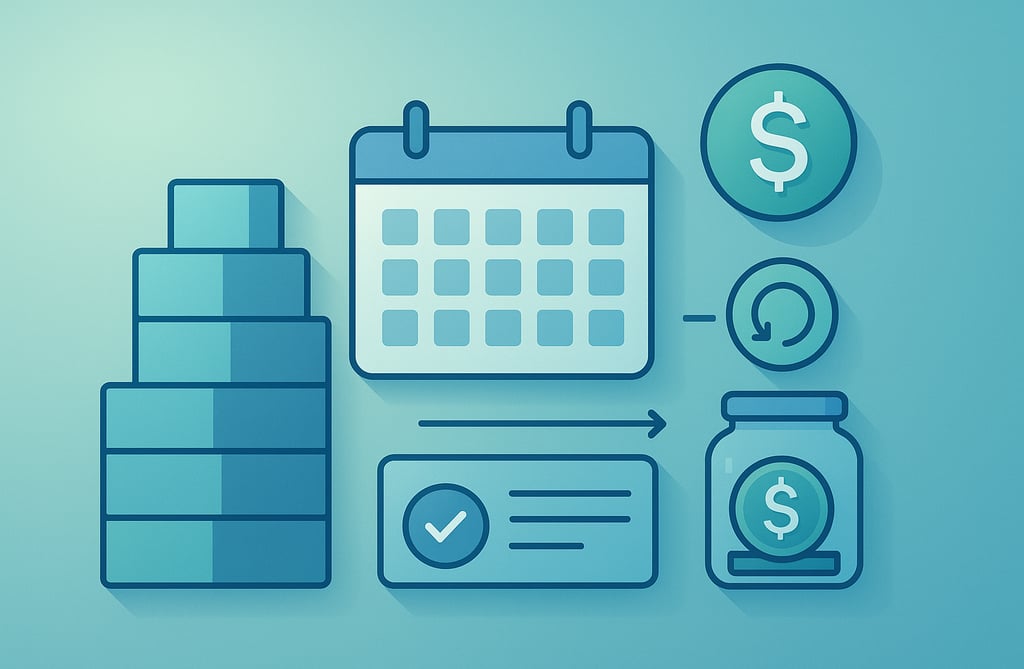
Organizing your personal finances is one of the most important steps toward achieving peace of mind, reducing debt, and building a safer future. Many people believe that managing money is difficult, but the truth is that with a few simple adjustments and a well-structured routine, you can completely transform your relationship with money.
In this article, you’ll learn how to build a clear, organized, and sustainable financial system — even if you’ve never done it before.
1. Understand Your Current Financial Situation
Before starting any financial plan, you must have a clear picture of your current reality. This means listing all sources of income, fixed expenses, variable expenses, recurring payments, and any existing debt.
A common mistake is trying to save or invest without first understanding where your money actually goes. When you create a complete map of your finances, you begin to notice spending patterns, unnecessary expenses, and opportunities to save that previously went unnoticed.
This kind of awareness brings an immediate sense of control — the first step toward meaningful financial change. When you know exactly how much comes in and how much goes out, you avoid surprises and can set realistic goals.
2. Create a Clear and Realistic Budget
Once your numbers are organized, the next step is designing a budget that matches your lifestyle.
Ideally, divide your money into categories such as:
Housing
Transportation
Food
Essential bills
Leisure
Investments
Emergency fund
A frequent mistake is creating a budget so strict that it becomes impossible to follow. Be realistic: if you enjoy going out, include it in your budget. If you have seasonal expenses, such as car maintenance, plan for them.
The goal is not to cut everything — it’s to balance what’s important with what’s possible.
3. Set Clear Financial Goals
Without goals, financial planning loses direction. Goals give you a sense of purpose and help you stay disciplined even during challenging months.
Examples of realistic financial goals include:
Paying off debt in 6 months
Saving $600 for emergencies
Setting aside money for a year-end trip
Investing 10% of your monthly income
The secret is to define deadlines, values, and reasons. Vague goals don’t work — your brain needs a concrete target to stay motivated.
4. Automate Payments and Contributions
Automation is one of the most powerful tools for building a consistent financial routine.
When your bills are paid automatically, you avoid late fees, penalties, and unnecessary stress. When your investments are automated, you maintain consistency — even during lazy or busy weeks.
The logic is simple: the fewer decisions you need to make, the more stable your financial life becomes.
5. Review Your Recurring Expenses
Services such as streaming subscriptions, apps, cell phone plans, gyms, and digital tools often go unnoticed. Small monthly payments can quietly consume a large portion of your budget.
Review them at least every three months. Ask yourself:
Do I actually use this?
Does this plan still make sense?
Is there a cheaper alternative?
A single adjustment can lead to immediate savings.
6. Build an Emergency Fund
An emergency fund is the foundation of financial security. It protects you from unexpected events such as job loss, medical expenses, urgent repairs, or unforeseen bills.
The ideal emergency fund covers 3 to 6 months of essential expenses.
Start small — but start. A well-established emergency fund prevents debt and brings peace of mind to your daily life.
7. Learn the Basics of Investing
Investing is not just for experts. Today, anyone can start with small amounts in simple options like government bonds, fixed-income products, or conservative funds.
Understand your risk profile and avoid investing money you might need in the short term. Over time, you can explore other opportunities such as stocks, REITs, or retirement plans.
Investing is the safest path to long-term wealth building.
8. Track Your Progress Monthly
Create a monthly review routine to track your progress and adjust your plan when necessary.
During this review, evaluate:
Were the goals achieved?
Were there unexpected expenses?
Can you save more next month?
Are your investments performing as expected?
Consistency is more important than perfection.
9. Use Digital Tools to Stay Organized
There are many free apps and spreadsheets that help track expenses, manage subscriptions, organize goals, and monitor investments.
Digital tools make your financial flow clearer and help you identify consumption patterns that are often invisible.
10. Commit to the Process
Organizing your finances isn’t a one-day task — it’s a behavioral transformation.
Don’t blame yourself if you make mistakes along the way. What matters is commitment to continuous improvement. The more you engage with your financial life, the more natural everything becomes.
Conclusion
Creating a sustainable financial routine is possible for anyone — even for those who have never tried financial planning before. With organization, clear goals, consistent review, and discipline, you can transform your relationship with money and build a safer, more prosperous future.
If you follow the steps in this guide, you’ll be far ahead of most people and well-prepared to make smarter financial decisions.